An honest note about basements in Pharr
If you moved here from up north, you may be looking for basement pest control out of habit. Most Pharr homes do not have one. Slab-on-grade is the standard way homes are built here. Some older homes sit on pier and beam with a crawl space instead.
If your home is on a slab or has space under the floor, you likely need a different service. Rodents under a raised floor are covered by our crawl space rodent removal service, and noises in the walls are covered by wall rodent removal.
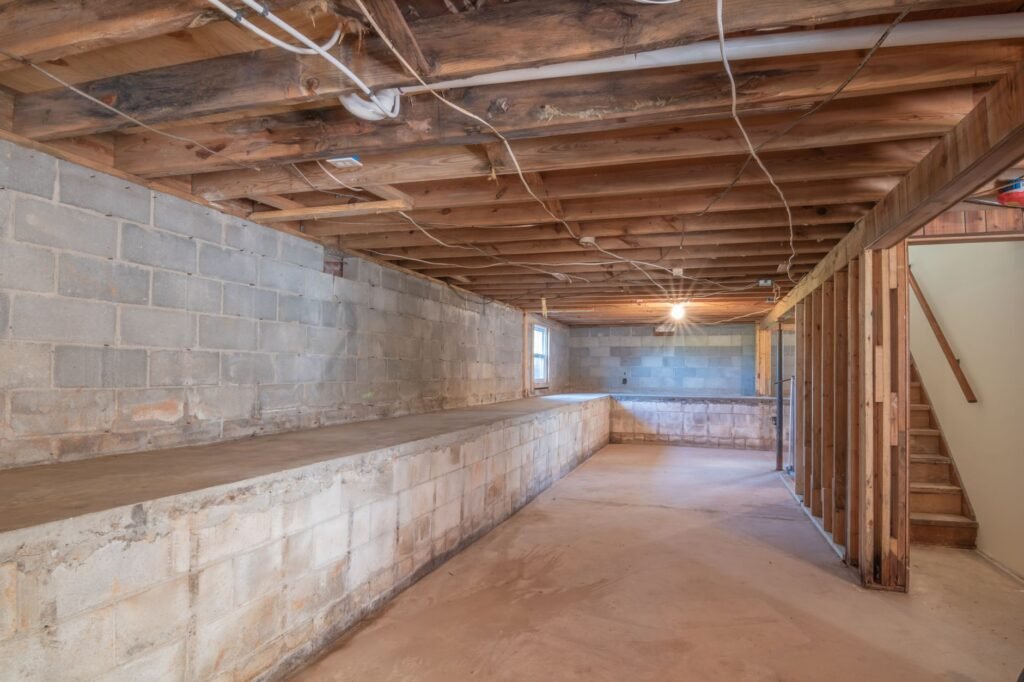
This page is for the spaces that really are below or at the lowest level of a building, and there are more of those than people think.
Who this service is for
| Space | Why rodents like it | What we focus on |
|---|---|---|
| Home basements and cellars | Dark, quiet, often damp, with stored items | Wall cracks, window wells, pipe holes, clutter |
| Lower-level storage rooms | Boxes, paper and fabric left untouched for months | Nesting in storage, gaps under doors |
| Commercial utility rooms | Warm equipment, cable and pipe runs, few visitors | Penetrations, floor drains, electrical damage |
| Below-grade loading or service areas | Food waste, pallets and doors that stay open | Door seals, dumpster areas, outdoor bait stations |
Three things that bring rodents into lower levels
Moisture
Below-grade rooms tend to be damp. Water seeps through walls, floor drains back up, and pipes sweat in the Valley humidity. Rodents need water every day, and a damp lower level supplies it. Heavy rain makes this worse. When storms flood the ground burrows Norway rats live in, like the March 2025 flooding in south Pharr, they look for the nearest dry shelter, and a lower-level room with a gap is often it.
Clutter
Storage rooms fill up with boxes, old furniture, paper records and holiday decor. For a mouse, that is a ready-made nest. Rodents can shred stored papers and fabric, and leave urine and droppings on everything nearby.
Utility penetrations
Water, sewer, gas, electric, AC and data lines all enter a building somewhere, and the lowest level is often where they come in. The holes cut for them are rarely sealed tight. A Norway rat needs only a 1/2 in gap and a house mouse only 1/4 in.
Commercial buildings with below-grade rooms
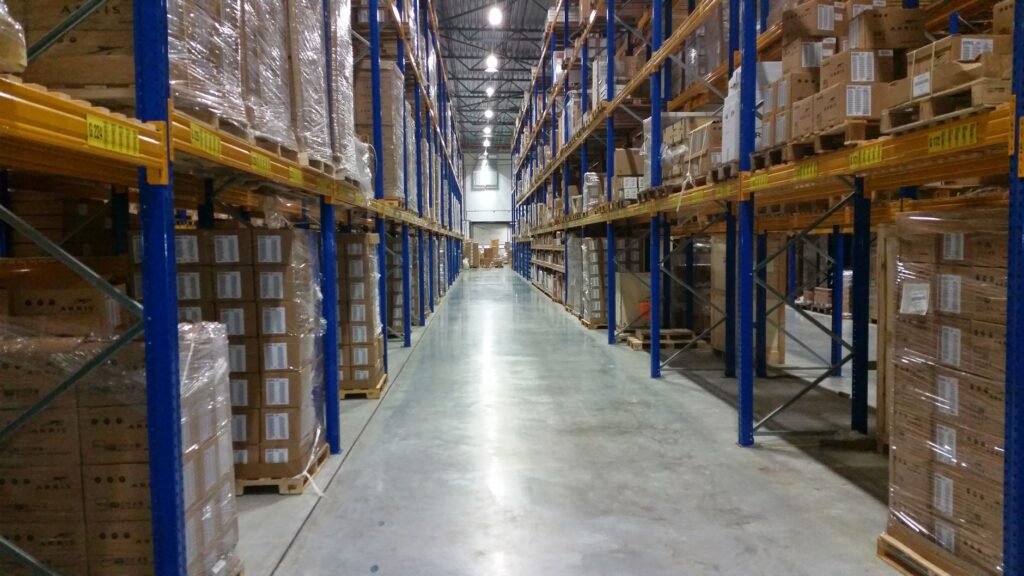
Some of the busiest rodent pressure in Pharr is around the Cage Boulevard and Expressway 83 corridors, where warehouses, cold storage and freight tied to the Pharr-Reynosa International Bridge move produce all day. Buildings in and around these areas with basement or below-grade utility rooms need regular checks, because a rodent problem in a utility room can spread to storage and food areas.
For businesses, we can work after hours and keep written service records for health inspections. Ongoing plans are covered by our commercial rodent control service.
How we handle basement rodent control in Pharr
- Inspect from the outside in
We check the outside walls, window wells, doors and every point where utilities enter. Inside, we look for droppings, rub marks, gnawing and nests. Norway rat droppings are blunt and about 3/4 in long. Mouse droppings are 1/8 to 1/4 in.
- Trap along walls and pipe runs
We place snap traps where rodents travel, along walls, behind shelving and beside pipe runs. No loose poison goes inside. A rodent that dies in a wall or ceiling can leave a strong smell for weeks.
- Seal penetrations
We pack gaps around pipes, conduit and cables with steel mesh, then seal them. Door bottoms and wall gaps get metal flashing or sealant where needed.
- Outdoor bait stations if needed
For commercial sites with rats coming from outside, we may place locked, tamper-resistant bait stations outdoors along the building or near dumpsters.
- Follow up and clean up
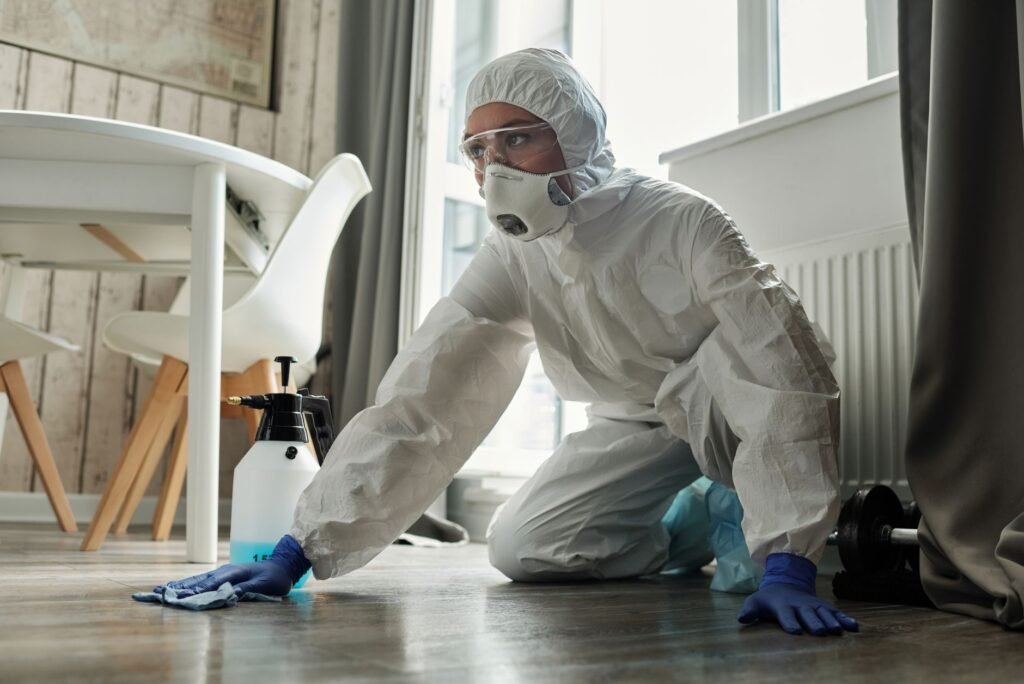
We return until activity stops, then clean droppings the CDC way: gloves, a spray of 1 part bleach to 10 parts water, a 5 minute wait, and paper towels. Never sweep or vacuum.
Dried droppings can carry hantavirus, and it spreads when the dust is stirred up. If boxes are covered in droppings, open doors to air the room out for 30 minutes first, wear gloves, and wet everything down with the bleach mix before you touch it. Or let us handle it with our rodent cleanup service.
How long it takes
You get a written estimate before work starts, and first visits usually take 2 to 4 hours.