Most kitchen rodents are house mice
In Pharr kitchens, the culprit is usually the house mouse. It is small, 5 to 7 in long counting the tail, and it can slip through a gap of 1/4 in, about the width of a dime. Rats do show up in kitchens too, but mice are far more common because they are happy to live full time inside your walls and cabinets.
Mice rarely travel far from food. A few may nest right behind the fridge or under the dishwasher and never leave the kitchen. That is good news for control, because once we find those spots, trapping works fast.
Where mice hide in a kitchen
Under the sink
The cabinet under the sink is the number one spot. Plumbing lines come up through the floor or the back wall, and the holes cut for them are almost always larger than the pipe. In a slab home, which most Pharr homes are, those pipe gaps lead straight into the wall cavity where mice travel.
Behind the stove and fridge
Appliances are warm, dark and rarely moved. Crumbs collect underneath, and the gas line, water line or power outlet behind them often has a gap in the wall. We check these areas on every kitchen job.
Inside the pantry
Mice chew through cardboard, paper and thin plastic in minutes. Cereal, rice, flour, tortillas, chips and pet food are all targets. A pantry with food on the floor or bottom shelf gets found first.
Under the dishwasher and toe kicks
The thin panel at the bottom of your cabinets hides an open space that runs the length of the counter. Mice love it because they can move from one end of the kitchen to the other without being seen.
Why a mouse in the kitchen is a food safety problem
Mice leave urine and droppings wherever they walk, including on counters, dishes and food packages. Rodent droppings can spread salmonella, and rodent urine can carry leptospirosis. Dried droppings can also carry hantavirus, which spreads when the dust is breathed in.
If you find droppings in a drawer or on a shelf, throw away any open food they touched. Clean the spot the CDC way: put on gloves, spray the droppings with 1 part bleach to 10 parts water, wait 5 minutes, then wipe up with paper towels and throw them out. Never sweep or vacuum droppings, because that puts the dust in the air.
How we trap safely in a kitchen
Kitchens need a careful approach. Kids, pets and food are all close by, so we keep things simple and contained.
- Find the runways
We pull out the drawers under the stove where possible, look under the sink, check behind appliances and read the droppings and rub marks. This tells us exactly where mice are moving.
- Set snap traps in hidden spots
Traps go inside cabinets, under appliances and in covered stations, never on counters or where a child or pet can reach them. Snap traps are quick and humane, and you can see right away when one has worked.
- Skip the poison
We never put loose poison in a kitchen. It can end up near food, and a poisoned mouse often dies inside a wall. In Pharr heat, that smell can last for weeks.
- Seal around plumbing and lines
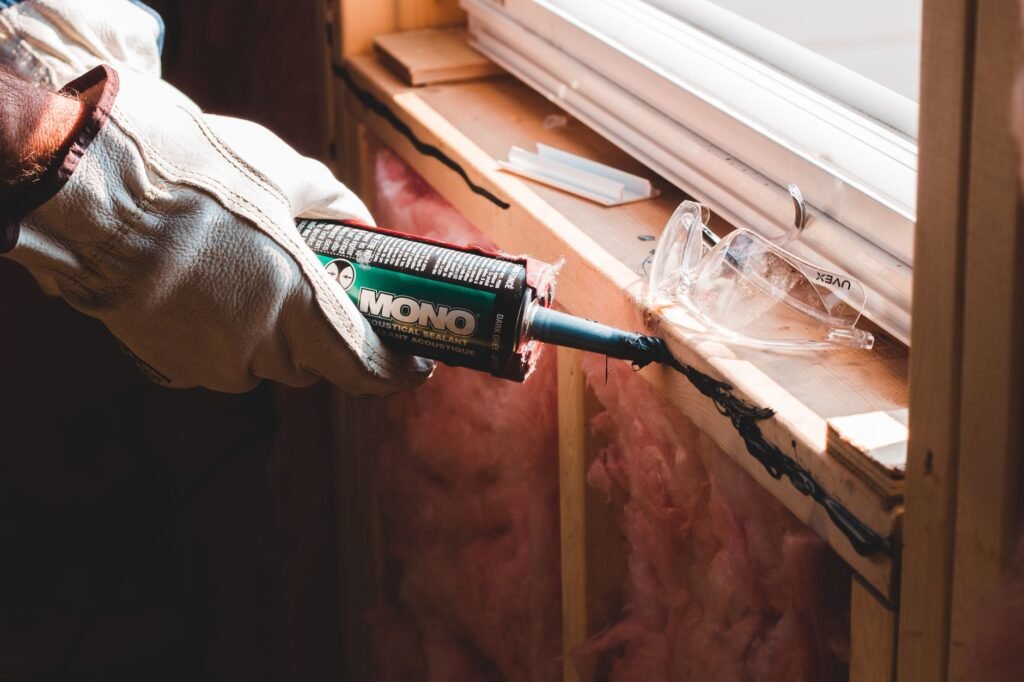
We pack gaps around sink pipes, gas lines and water lines with steel mesh, then seal them. Mice cannot chew through steel mesh the way they chew through foam or caulk alone.
- Check back and confirm
We return to remove catches and reset traps until there are no new droppings or catches. Kitchen mice are often cleared in about a week.
Kitchen storage tips that keep mice away
| Item | Instead of | Store it in |
|---|---|---|
| Cereal, rice, flour, beans | Original box or bag | Glass jars or hard plastic bins with tight lids |
| Tortillas, bread, chips | Open on the counter | A bread box, the fridge, or a sealed bin |
| Pet food | The bag it came in | A metal or thick plastic bin with a lid |
| Fruit, including backyard citrus | An open bowl overnight | The fridge, or a covered container |
| Kitchen trash | An open can or bag | A can with a tight lid, emptied nightly |
- Wipe the stove top and counters before bed
- Do not leave pet bowls full overnight
- Pull out the stove and fridge a couple of times a year and clean under them
- Fix leaky faucets and drips under the sink, since mice need water too
Kitchen rodent control in Pharr: why mice stay year round
Pharr winters rarely freeze, so mice here breed all year instead of slowing down in the cold. A kitchen that gets one mouse in October can have a small family by the holidays. Many Pharr homes also have citrus trees in the yard. Fruit brought inside and left on the counter is one more food source, so keep it covered or in the fridge.
Commercial kitchens need a different plan with regular visits and written records for health inspections. See our commercial rodent control service for restaurants in Pharr.
How long it takes
You get a written estimate before work starts. The first visit usually takes 2 to 4 hours.