What rodent proofing means
Rodent proofing, also called exclusion, is the work of closing the openings that let rats and mice into a building. It is the part of rodent control that makes results last. Without it, trapping just makes room for the next group moving in from the yard, the alley or the neighbor's palm tree.
How small a gap is too small?
Most people are surprised by this. A rat only needs a gap about 1/2 in wide to squeeze through, roughly the width of your thumb. A house mouse can get through 1/4 in, about the thickness of a pencil or the width of a dime. If a rodent can fit its head through an opening, the body usually follows.
That is why we do not just look for obvious holes. We check the small cracks around pipes, the line where siding meets the slab, and the gap under a garage door that looks closed from inside.
Common entry points on Pharr homes
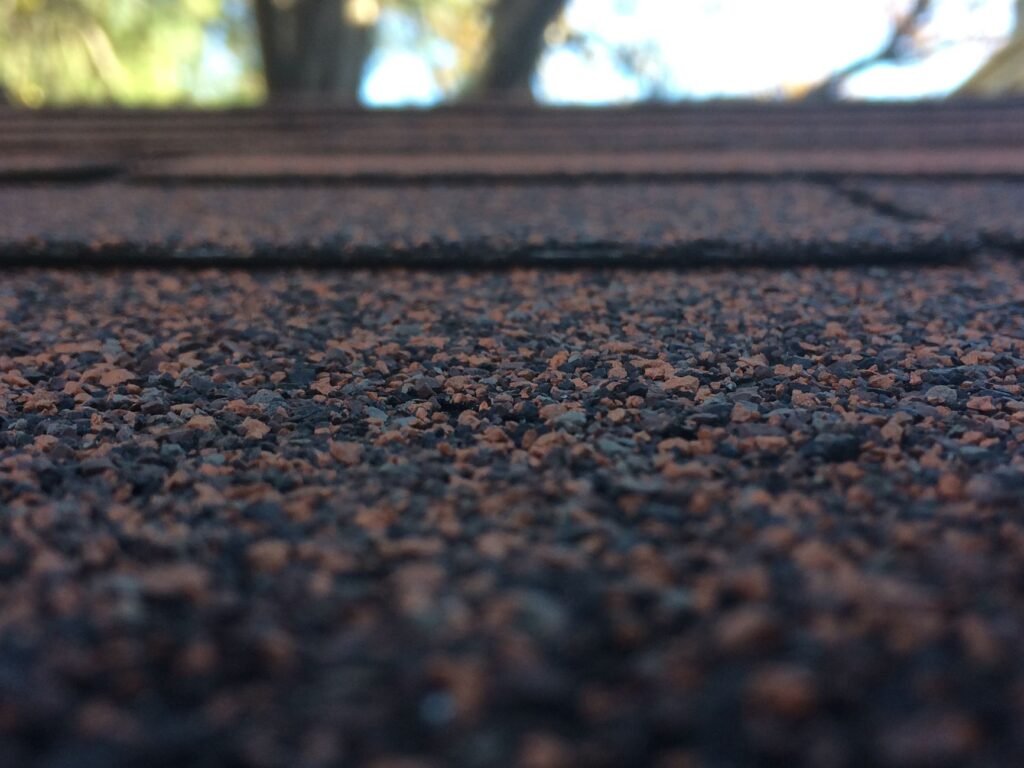
Most Pharr homes are single-story, slab-on-grade houses, and roof rats are the most common rat in the city. That combination means we find most entry points in two zones: up at the roofline, and down where the walls meet the slab.
At the roof
- Roof vents and plumbing vent boots with gaps around the base
- Soffit gaps and loose soffit panels at the corners of the house
- Gable vents with torn or rusted screens
- Fascia boards pulled away from the roof deck
At the walls and slab
- The hole where AC refrigerant lines enter the house, often left oversized
- Pipe penetrations for water, gas and dryer vents
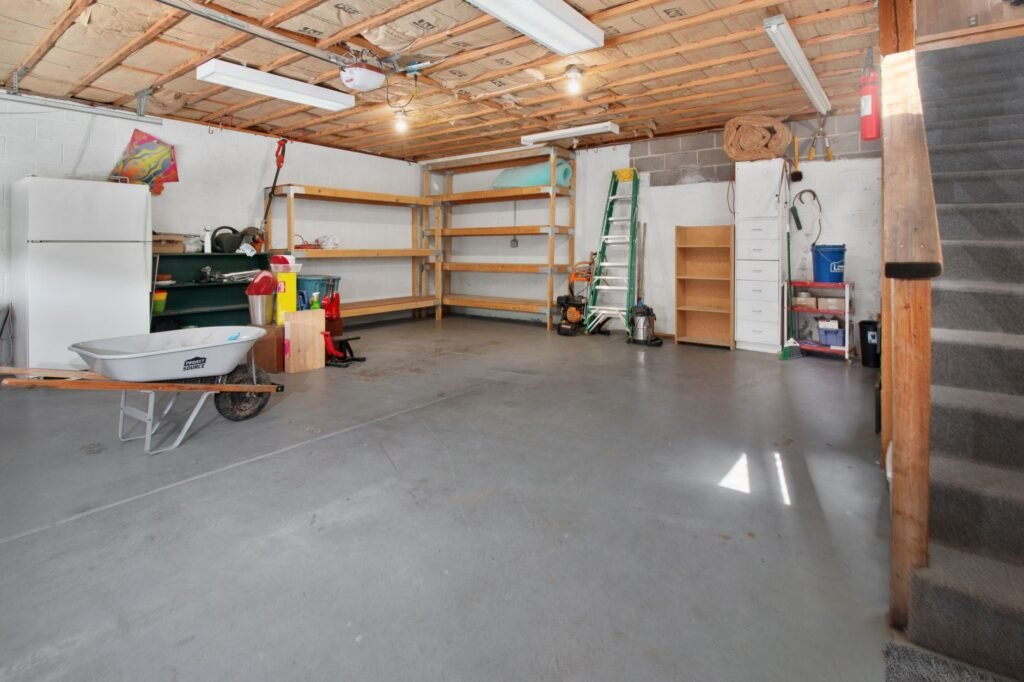
- Garage door seals that are worn, torn or chewed at the corners
- Gaps at the slab where the wall framing or siding sits on the foundation
- Weep holes in brick veneer, on homes that have them
Entry points and how we fix them
Each opening needs the right material. Foam alone does not stop rats. They chew right through it. Here is what we use where.
| Entry point | How we seal it |
|---|---|
| Roof and plumbing vents | Steel mesh or metal flashing around the base, secured and sealed |
| Soffit gaps | Metal flashing or steel mesh fitted to the gap, then fastened |
| Gable vents | Heavy steel mesh screen installed behind the vent so airflow stays open |
| AC line holes | Steel mesh packed into the gap, finished with sealant |
| Pipe penetrations | Steel mesh plus sealant, or a metal collar on larger openings |
| Garage doors | New bottom seal or rodent resistant door seal and side seals |
| Entry doors | Door sweeps that close the gap at the threshold |
| Gaps at the slab | Metal flashing or steel mesh with sealant along the joint |
| Brick weep holes | Vented weep hole covers that block rodents but still let water drain |
Weep holes are small gaps left on purpose at the bottom of brick walls so moisture can drain out. They should never be filled solid. If your home has brick veneer and mice are using them, we fit covers that keep rodents out and keep the drainage working.
Our rodent proofing process
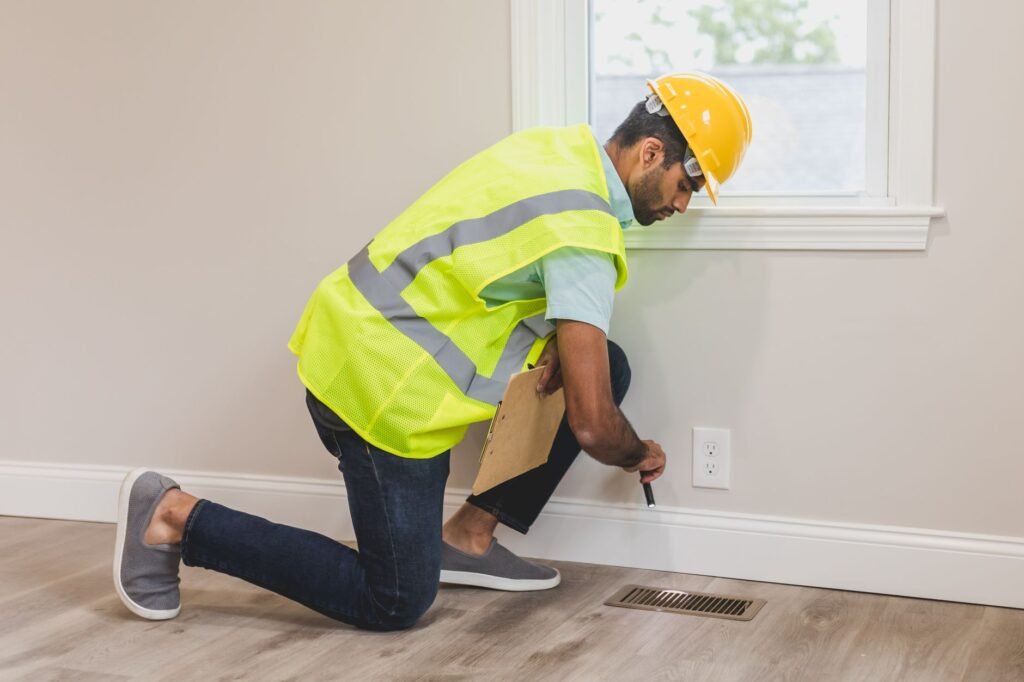
- Walk the whole building
We inspect the roofline, attic, exterior walls, garage and slab edge. Rub marks, gnaw marks and droppings show which gaps are in active use.
- Mark and photograph each opening
You see every entry point we find, with a clear note on what it needs.
- Estimate in writing
You get a written estimate before any sealing starts.
- Seal with rodent resistant materials
Steel mesh, metal flashing, sealant, door sweeps and garage seals, fitted to each gap.
- Check for new activity
If rodents are still inside, we trap them out before closing the last opening so none get sealed in.
Rodent proofing in Pharr: trim the trees too
Sealing only works if rodents cannot keep testing your roofline every night. In Pharr, roof rats live in untrimmed palm fronds and backyard citrus, then walk along branches and power lines straight to the roof. Cutting off that highway is part of a good exclusion job.
- Trim tree branches so they are several feet back from the roof and walls
- Remove dead fronds from palms, where roof rats like to nest
- Pick up fallen grapefruit and oranges, and do not leave ripe fruit on the tree for weeks
- Call your electric provider about lines that touch trees. Do not trim near power lines yourself
Year-round warm weather in the Valley means rodents are breeding and looking for shelter in every season, so there is no good time to leave a gap open.