Why the roof is the front door for rats in Pharr
Roof rats are the most common rat in Pharr, and they earned the name. They are strong climbers with long tails for balance, often longer than the body itself. An adult runs 13 to 18 in from nose to tail tip and can walk a power line or a thin branch without trouble.
Pharr neighborhoods are full of the things roof rats love: tall palms with untrimmed fronds, backyard grapefruit and orange trees, and overhead power lines running to each house. Put those together and a rat can get from the tree to your roof without touching the ground.
Roofline entry points we check
A roof has more seams and openings than most people realize. Any of these can open up to 1/2 in over time from weather, settling or rodents chewing on the edge.
| Entry point | Where the gap forms | How we seal it |
|---|---|---|
| Roof vents | Around the base of box vents, turbine vents and plumbing vent boots | Steel mesh or metal flashing fastened around the base, then sealed |
| Gable vents | Torn, rusted or loose vent screens on the gable ends | Heavy steel mesh installed behind the vent so air still flows |
| Soffits | Loose panels, corners and where soffit meets the wall | Metal flashing or steel mesh cut to fit and fastened |
| Fascia gaps | Where the fascia board has pulled away from the roof deck | Metal flashing to close the gap behind the drip edge |
| Roof returns | Where a lower roof meets a higher wall, leaving an open corner | Metal flashing and steel mesh shaped to the corner |
| Tile and shingle edges | Open ends under tile edges or lifted shingles at the eave | Steel mesh or metal closure fitted along the edge |
Roof returns and soffit corners are the spots we find chewed most often, because the rat can sit on a solid surface while it works on the edge.
How we handle roof rodent control
- Look at the roof from every side
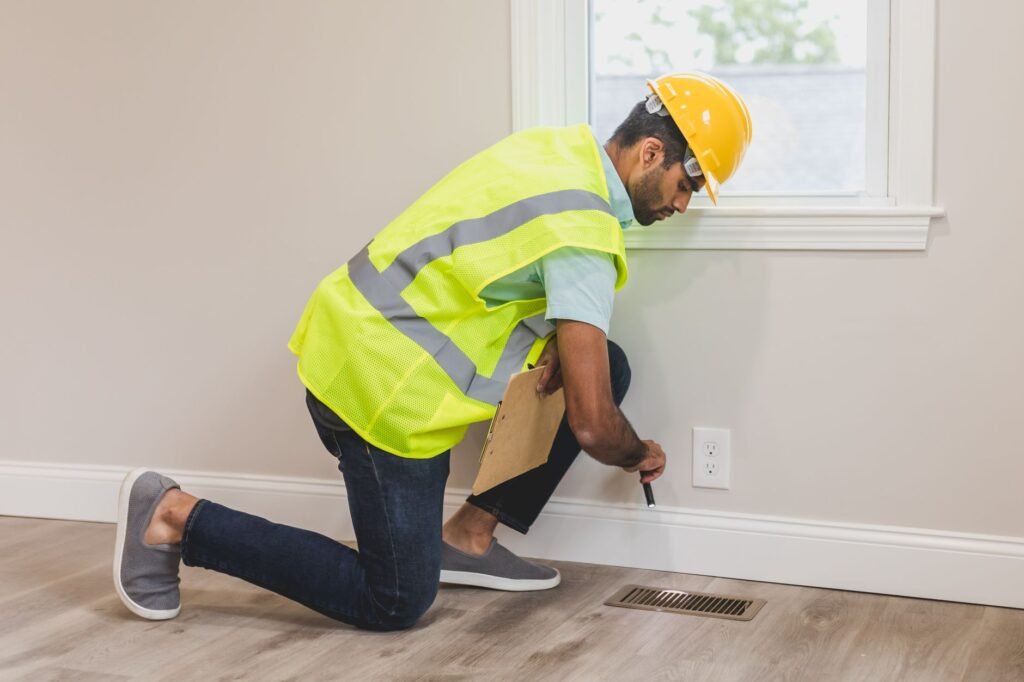
We walk the yard to see which trees, palms and lines touch or hang over the roof, then check the roofline up close.
- Find the active openings
Dark rub marks, gnawed edges and droppings on the roof or in the gutter show which gaps rats are using right now.
- Trap anything already inside
If rats are in the attic, we set snap traps first so none get sealed in. See attic rodent removal for that part of the job.
- Seal the roofline
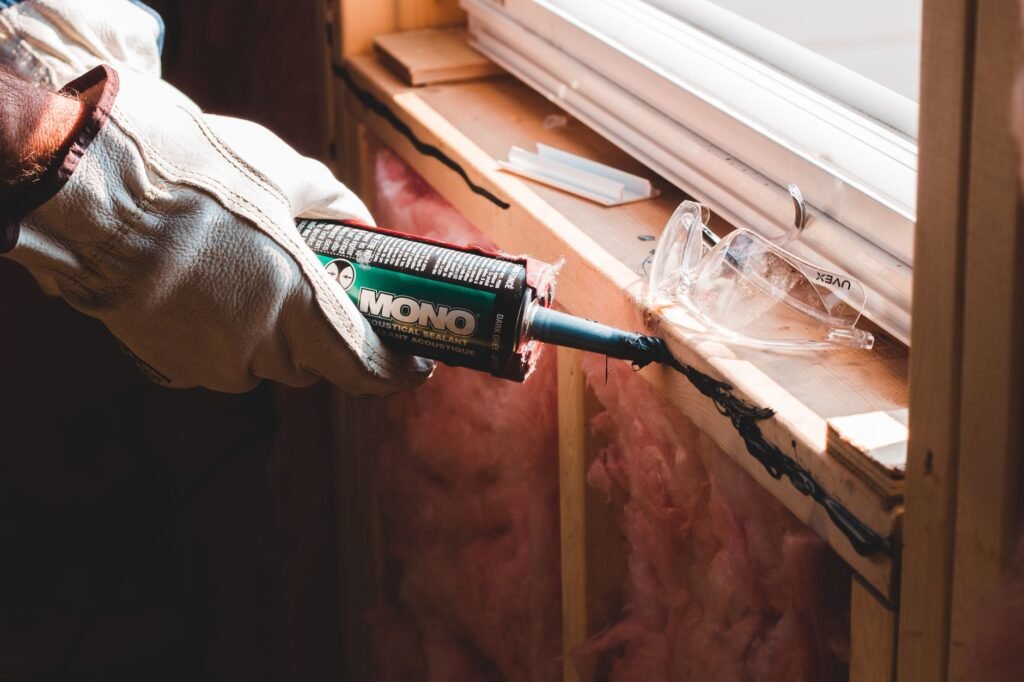
We close each opening with steel mesh, metal flashing and sealant. We do not rely on foam, because rats chew through it.
- Recheck and show you
On follow-up visits we look for new chewing on sealed spots and walk you through what was done, with photos.
Trees, palms and power lines: trim-back guidance
Sealing the roof stops rats from getting in. Trimming stops them from reaching the roof in the first place, which takes pressure off every seal we install.
- Branches: Cut tree limbs back so they are several feet away from the roof, walls and gutters. Rats can jump short distances.
- Palms: Remove dead and hanging fronds. The skirt of old fronds on an untrimmed palm is a common roof rat nest.
- Citrus: Keep trees trimmed off the roof, pick fruit when it ripens and clean up fallen fruit. Hollowed-out grapefruit or oranges still on the tree mean rats are feeding there.
- Vines: Pull climbing vines off walls and down from the eaves.
- Power lines: Do not trim near lines yourself. Contact your electric provider about branches touching the lines.
Winters rarely freeze in the Rio Grande Valley, so roof rats breed in every season. A roofline that was tight last year can have a new gap this year. A quick roof check each spring is a good habit for Pharr homes.
Roof rodent control in Pharr: how long it takes
A sealing visit usually takes 2 to 4 hours. If rats are already in the attic, plan on 2 to 4 weeks with follow-ups until the last one is gone. You get a written estimate before work starts.