Rodent control built around your household
A home is not a warehouse. You have kids who crawl on the floor, dogs that sniff every corner, and cats that will bat at anything that moves. Our residential service is set up with that in mind. Traps go in the attic, behind appliances and inside locked boxes where small hands and paws cannot reach them. Nothing loose, nothing sprayed on the floor.
Most Pharr houses sit on a concrete slab, so rodents usually get in high, through the roofline, or low, through gaps around pipes and the garage door. Some older homes are pier and beam with a crawl space underneath, and mobile homes have skirting that rats push through with ease. We check all of it.
Home checklist: where we look, room by room
This is the same list our technicians work through on a residential visit. You can use it yourself before you call to see how much activity you have.
| Area | What to look for | Common cause |
|---|---|---|
| Attic | Droppings on insulation, trails, flattened nesting, gnawed wires | Roof rats coming in at soffits and roof vents |
| Kitchen | Droppings in drawers, chewed bread or cereal bags | House mice using gaps behind the stove and under the sink |
| Bathrooms | Gnaw marks near pipe openings, smell under the vanity | Open holes where plumbing enters the wall |
| Bedrooms and closets | Scratching in the ceiling at night, shredded fabric or paper | Rats traveling over ceilings from the attic |
| Garage | Chewed boxes, pet food bags torn open, rub marks on walls | Gaps under or beside the garage door |
| Laundry area | Droppings behind the dryer, torn vent hose | Loose dryer vent flap on the outside wall |
| Outside walls and roof | Dark rub marks at the roofline, holes at the slab edge | Tree branches and power lines touching the house |
Your yard is part of the problem
In Pharr, what is growing and sitting in your yard often decides whether rats pick your house. The most common rat here is the roof rat, and it loves the same things Valley homeowners love.
- Backyard citrus. Grapefruit and orange trees feed rats for months. If you see fruit hollowed out while it still hangs on the branch, rats did that.
- Palm trees. Untrimmed, dead fronds make a dry, hidden nest high off the ground. Rats then walk along branches or power lines to your roof.
- Pet food. A bowl of dog food left on the patio overnight is an easy meal. Bring it in after dinner.
- Bird seed. Seed that spills under a feeder feeds rats and mice every night. Use a tray or move the feeder away from the house.
- Clutter and wood piles. Stacks near the walls give Norway rats and mice cover while they look for a way in.
We point these out during the visit and tell you which ones matter most at your address. Trimming branches back from the roof and picking up fallen fruit can make a big difference.
How a home visit works
- Walk-through with you
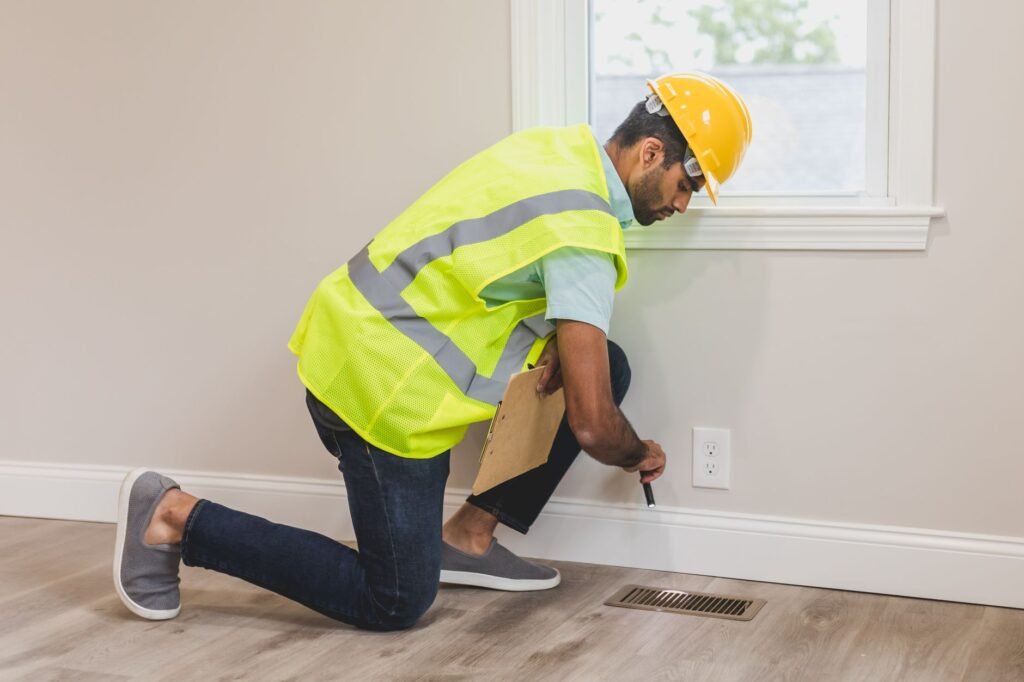
We ask where you hear or see activity, then inspect the attic, kitchen, garage, roofline and yard. Droppings tell us if it is a roof rat, Norway rat or house mouse.
- Written estimate
You get a written estimate before any work starts.
- Traps placed safely
Snap traps go on real travel routes in the attic and behind appliances. Anything near living space goes inside a locked box.
- Entry points sealed
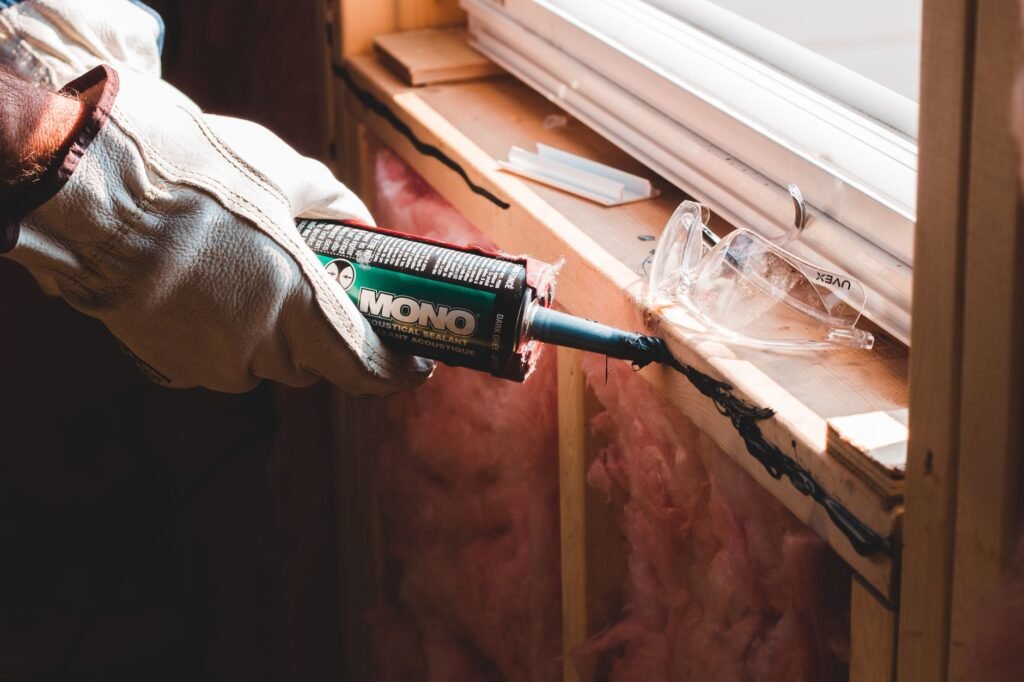
We close gaps with steel mesh, metal flashing and sealant. Our rodent proofing page explains how.
- Follow-up visits
We come back to remove catches and reset traps until the house is quiet. Mice often clear fast. Roof rats can take 2 to 4 weeks.
Renting? Notes for tenants and landlords
We work with renters, landlords and property managers across Pharr. Here is how it usually goes.
- Tenants: tell your landlord in writing as soon as you see signs. Take photos of droppings or damage with a date. You can still call us for an inspection, and we will write up what we find.
- Landlords: sealing entry points is usually a building repair, so it makes sense to handle it once, right. We send a summary after each visit that you can keep with the property records.
- Both: we can coordinate access so the tenant does not need to take time off, and send the same notes to everyone involved.
Rats and mice often live under a mobile home and chew up through the floor around plumbing. We check the skirting, the underbelly and every pipe opening, then close gaps with materials rodents cannot chew.
Why we never use loose poison in homes
Poison tossed into an attic or wall does kill rats, but they do not die where you can find them. They die inside walls and ceilings, and in a Pharr summer that means a strong smell for weeks. Loose bait can also be found by a curious dog or toddler. That is why we trap inside and only use locked bait stations outdoors when it makes sense.