What a rodent exterminator actually does
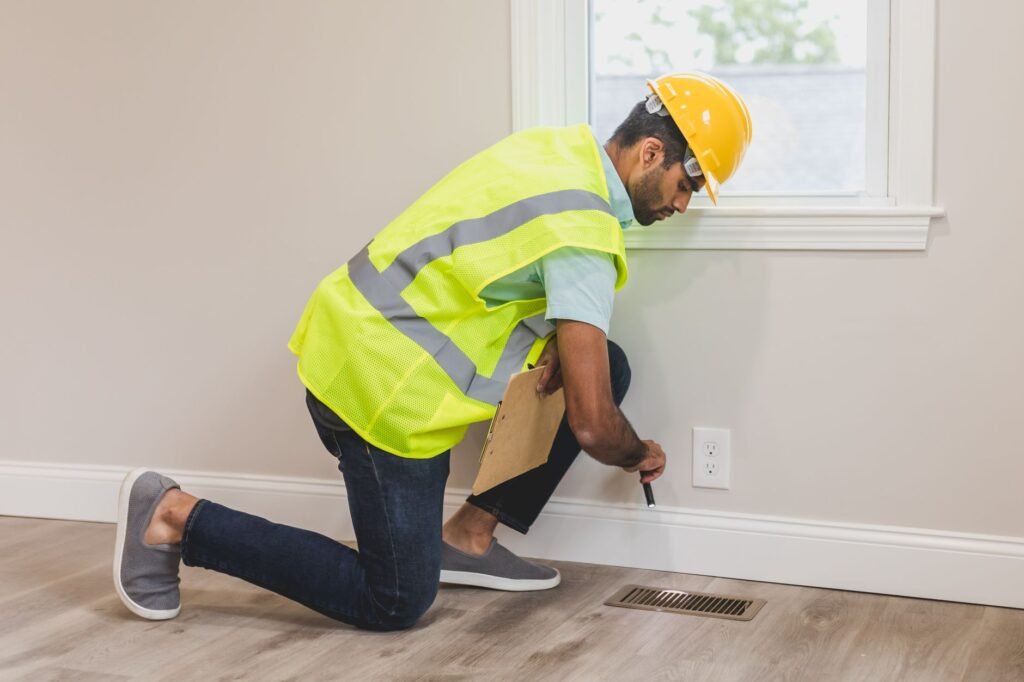
The word exterminator makes people think of spraying. Rodent work is different. Rats and mice are not killed by a spray, and they learn fast. A good exterminator spends most of the visit reading the signs: droppings, rub marks, gnawing, tracks in attic dust. Those signs show the species, the travel routes, and the gaps being used. Only then do traps go down, and only then does sealing start.
Professional exterminator vs doing it yourself
Some small mouse problems can be handled with a few traps from the hardware store. Many cannot. Here is an honest comparison.
| Task | Typical DIY | Licensed exterminator |
|---|---|---|
| Finding the species | Guessing from one sighting | Reading droppings, rub marks and damage to confirm roof rat, Norway rat or house mouse |
| Trap placement | Traps in the middle of the floor | Traps along walls, rafters and pipes where rodents actually run |
| Attic and roof access | Hard and risky to reach | Full attic and roofline inspection with the right gear |
| Poison | Loose pellets in the attic or walls | No loose poison inside. Locked outdoor stations only when it makes sense |
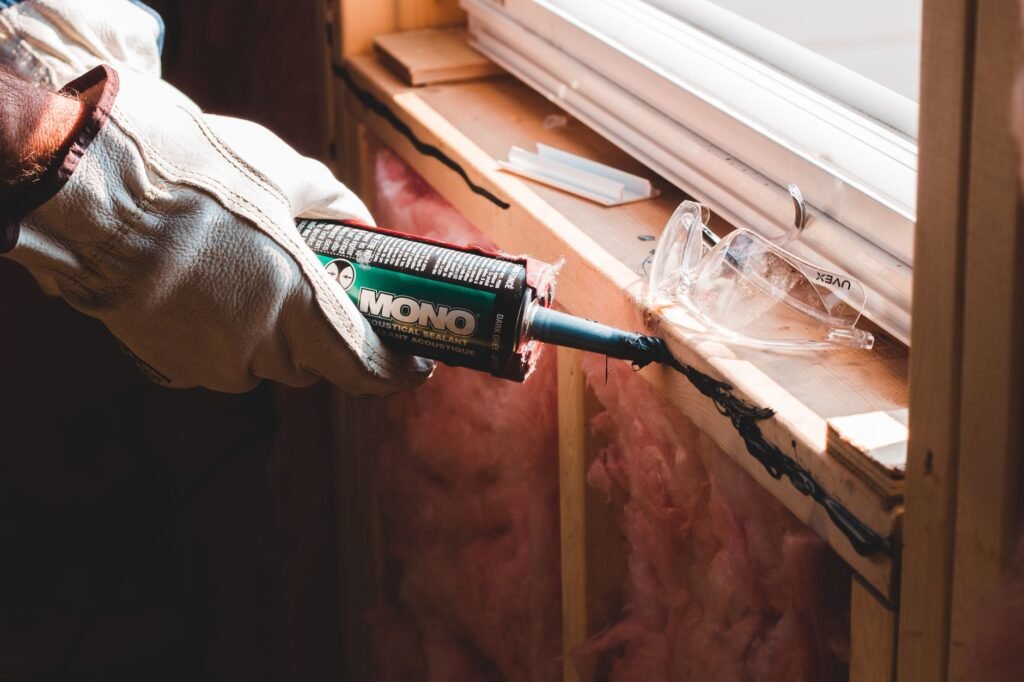
| Entry points | Steel wool or foam that gets chewed out | Steel mesh, metal flashing and sealant |
| Follow-up | Stops when the noise stops for a night | Return visits until activity is gone |
If you have tried traps for two weeks and still hear activity, or you are finding droppings in more than one room, it is time to call a pro.
Check the license before you hire
In Texas, structural pest control licensing is handled by the Texas Department of Agriculture. Anyone doing pest control work for pay should be licensed. You can ask any company, including us, for its Texas Department of Agriculture license, and you can check it with the department yourself. A real company will not mind the question.
Are you licensed with the Texas Department of Agriculture? Are you insured? Will you give me a written estimate before you start? Do you seal entry points or only set traps? Do you use loose poison inside? Clear answers to all five tell you a lot.
Trap-shy roof rats: the Pharr challenge
Roof rats are the most common rat in Pharr, and they are cautious. They avoid new objects in their path for days at first. That is why a homeowner often sets traps, catches nothing, and decides the rats are gone. They are not. They are walking around the traps.
Here is how a trained rodent exterminator in Pharr handles them:
- Place traps on the exact runways shown by rub marks and droppings, not where it is easy to reach
- Give rats time to get used to the traps before expecting catches
- Use enough traps to cover every route, not just one or two
- Trim or advise trimming palm fronds and citrus branches that act as a bridge to the roof
- Seal the soffits, roof vents and gaps they use, so they cannot come back in
This is why roof rat jobs can take 2 to 4 weeks with follow-up visits. Mice usually go faster.
Why we do not use loose poison indoors
Tossing poison into an attic seems quick. The problem is where the rodent goes after it eats. It crawls back into a wall void or under the insulation and dies there. In a Pharr summer, attics go well over 100 degrees, and the smell can fill the house for weeks. Loose bait can also be carried off and found by pets or children.
Traps let us remove the body. Sealing stops the next one. Outdoors, we may use locked, tamper-resistant bait stations along a fence or at the slab edge when it makes sense for the property. If you already used poison and now have a smell, see our dead rodent removal service.
What to expect
- You call, any hour
We are open 24/7 and respond within 24 hours, with same-day inspections when available.
- Inspection and written estimate
Most visits take 2 to 4 hours.
- Trapping and sealing
We set traps and close entry points in the same visit when we can.
- Follow-ups and wrap up
We return to remove catches, reset, and confirm activity has stopped.
Our office in Pharr
We work out of 118 W Caffery Ave in Pharr and cover the whole 78577 ZIP code plus nearby towns.