What rodents leave behind
Even a few weeks of activity leaves a mess. Rats and mice drop waste as they walk, mark their trails with urine, and pull insulation, paper and fabric into nests. In an attic, that can spread across a wide area. Knowing what you are looking at helps you judge how big the job is.
Droppings also tell you who was there. Roof rat droppings are about 1/2 in long and pointed. Norway rat droppings are about 3/4 in and blunt. House mouse droppings are small, about 1/8 to 1/4 in, and look like dark grains of rice.
Health risks, stated plainly
Rodent waste can carry germs that make people sick. Most homes with rodents never cause anyone to get ill, but the risk is real enough that health agencies give clear rules for cleanup. These are the three most people ask about:
- Hantavirus. A rare but serious illness. It spreads when people breathe in dust from dried droppings, urine or nesting of infected rodents. That is why sweeping and vacuuming are a bad idea.
- Leptospirosis. A bacterial illness spread through rodent urine, often in water or wet soil. It can enter through cuts or the eyes, nose and mouth.
- Salmonella. Bacteria that can be in rodent droppings. It spreads when droppings get onto food, dishes or counters.
If you have been cleaning up rodent waste and feel sick, talk to your doctor and tell them about the rodent exposure.
The CDC cleanup method
The CDC recommends wetting waste down first so no dust gets into the air. This is the method we follow on every job, and you can use it for a small spot yourself.
- Air it out
Open windows and doors for at least 30 minutes before starting, and leave the area while it airs out.
- Put on gloves
Use rubber, latex or vinyl gloves. Keep kids and pets out of the area.
- Spray and soak
Spray droppings, urine and nesting with 1 part bleach to 10 parts water until wet. Wait 5 minutes.
- Wipe, do not sweep
Pick up the waste with paper towels and put it in a sealed bag. Never sweep or vacuum dry droppings.
- Disinfect the area
Clean the surface again with the bleach mix, then wash gloved hands, take off gloves, and wash hands with soap and water.
What a professional rodent cleanup includes
A small pile under the sink is a DIY job. A whole attic or crawl space is not. Here is how the scope changes and what we do.
| Area | Typical contamination | Our cleanup |
|---|---|---|
| Kitchen and pantry | Droppings in drawers and cabinets, chewed food | Sanitize cabinets and shelves, discard contaminated food, check behind appliances |
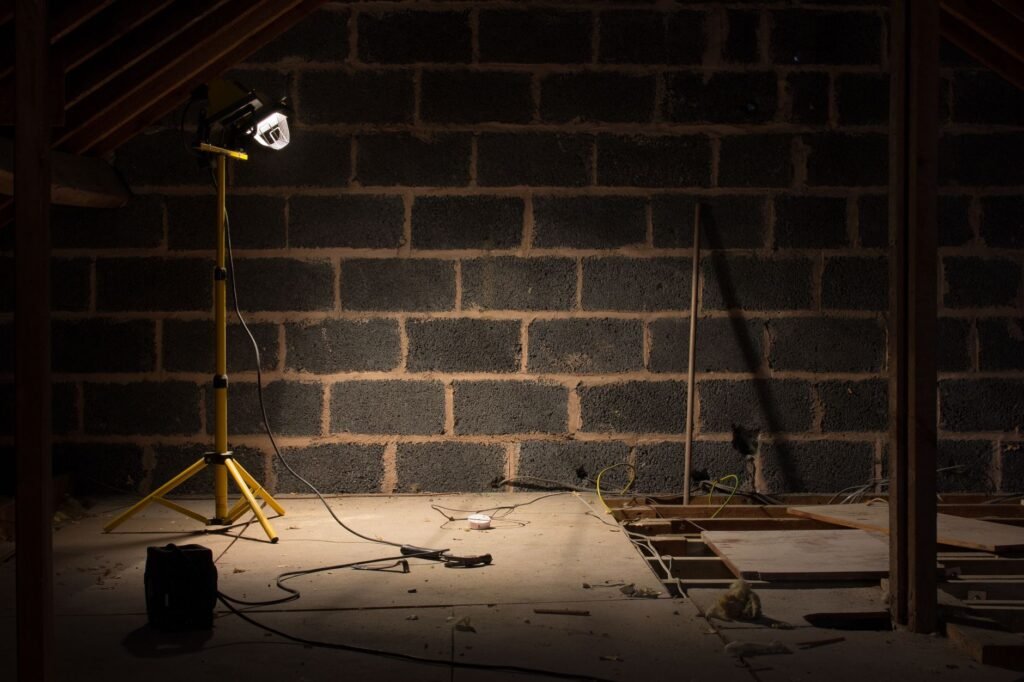
| Attic | Droppings spread across insulation, nests, urine stains on wood | Remove nests and waste, treat surfaces, assess or remove insulation |
| Garage and storage | Nests in boxes, droppings along walls | Remove nesting, sanitize floors and shelves, bag damaged items for you to review |
| Crawl space | Nests, droppings and urine on soil or vapor barrier | Remove waste and nests, sanitize, note any barrier damage |
| Wall voids and ducts | Nesting and droppings out of sight | Access where possible, remove material, sanitize |
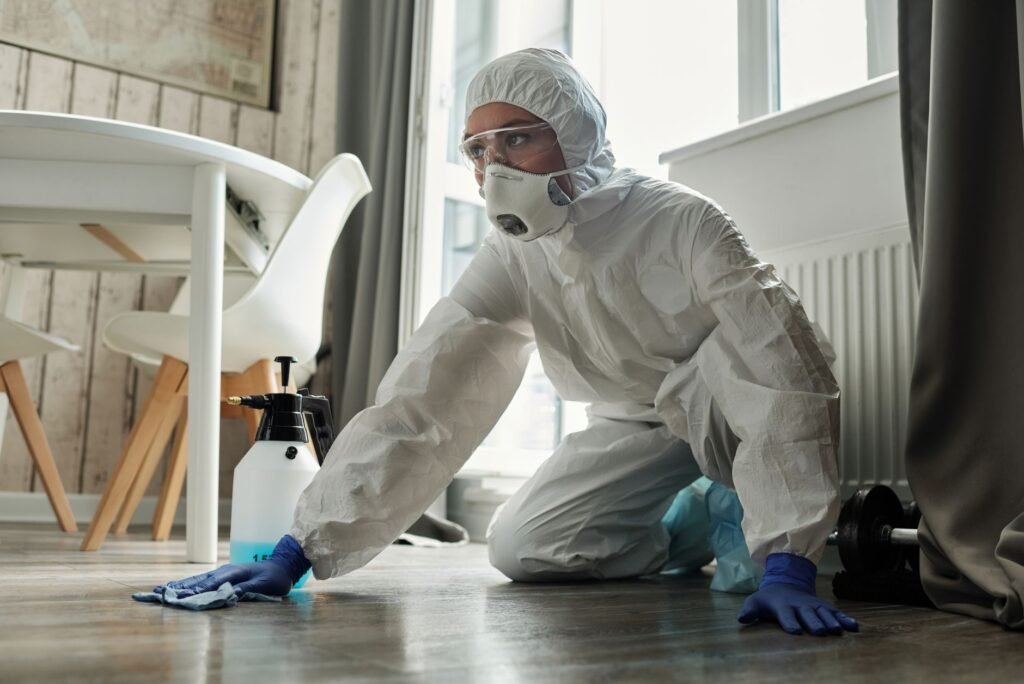
Our technicians wear protective gear, bag all waste on site, and take it away. We also deodorize the area once it is clean.
When insulation must be replaced
Not every attic needs new insulation. A few droppings on top can be picked up and treated. But insulation should be removed and replaced when:
- Droppings and urine are spread across large areas or mixed down into it
- There is a strong urine smell that stays after cleaning
- It is packed down into trails and tunnels and no longer insulates well
- There were dead rodents or large nests inside it
- It got wet from a roof leak or storm and was used by rodents
In a Pharr summer, attic heat makes soiled insulation smell stronger, and that odor can move into the house through ceiling fixtures and the AC system. We show you what we find and let you decide.
Rodent cleanup in Pharr after storms and flooding
Heavy rain and tropical storms flood burrows and drainage ditches, and rodents move to dry ground, often into garages, sheds and homes. The March 2025 flooding in south Pharr near the Dicker Rd area is a good example. After high water, check garages and storage for fresh droppings, and treat any wet waste with the bleach method, not a broom.
If rodents are still active, cleaning now only gets undone. We handle rodent removal and sealing first, then clean up once activity stops.