What that scratching in the wall usually means
A wall void is the hollow space between the drywall on each side of a wall. For a rat or mouse, it is a dark, protected hallway that connects the attic to the kitchen, bathroom and garage. What you hear is usually a rodent climbing, running along a pipe or chewing on wood or wiring inside that space.
Sound that moves up and down usually points to a rodent climbing between floors or from the attic. Sound that stays low and near the kitchen or bathroom often means mice using the plumbing path.
How rodents get into wall voids
Most Pharr homes are built slab-on-grade, so there is no basement or crawl space feeding into the walls from below. In our experience, rodents reach wall voids from two directions.
From the attic, through the top plates
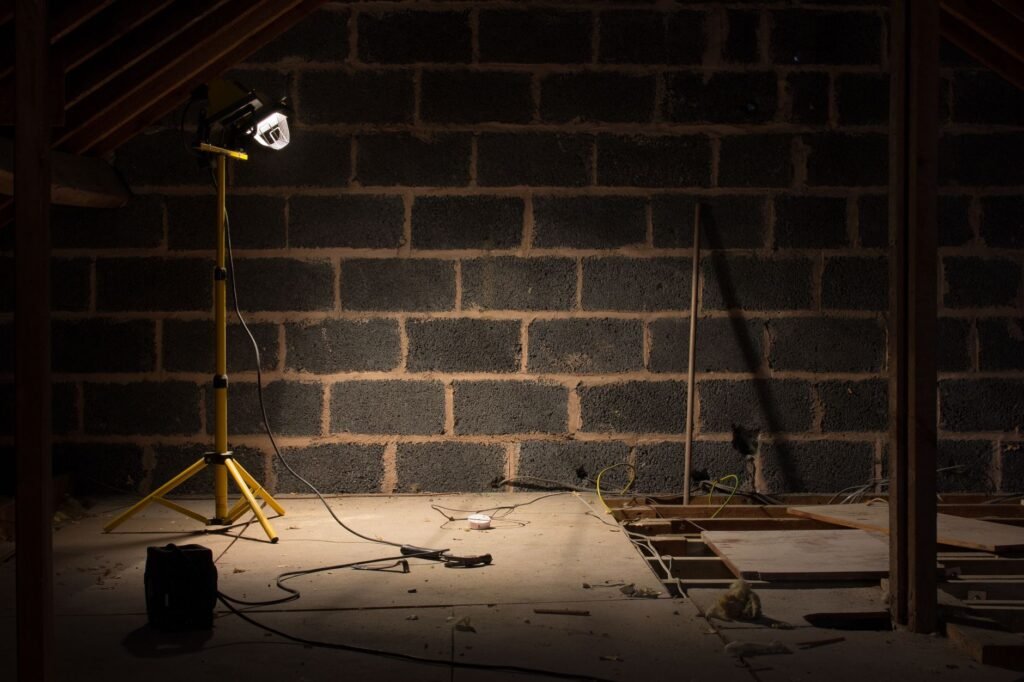
The top plate is the board that runs along the top of every wall, right under the attic insulation. Wires, pipes and vents pass through holes drilled in it. Roof rats that get into the attic follow those holes and drop down into the walls. This is the most common path in Pharr, where roof rats are the most common rat.
From plumbing and utility openings
The holes where pipes come through the wall under sinks, behind toilets, and behind washers and water heaters are often cut bigger than needed. Mice fit through 1/4 in and rats through 1/2 in, so a loose pipe hole is an open door into the wall. The same goes for gaps where AC lines and gas lines enter from outside.
- Kitchen sink and dishwasher pipe openings
- Bathroom vanity and toilet supply lines
- Laundry hookups and dryer vents
- The wall the garage shares with the house
- AC line and water line holes on exterior walls
Finding them without tearing out drywall
Opening a wall should be the last step, not the first. Most of the time, we can stop the problem by working at the ends of the route instead of the middle.
- Listen and map the activity
We ask when and where you hear it, then check the rooms on both sides of the wall and the attic above it.
- Trace the route to the entry
Droppings, rub marks and gnawing at top plates, pipe holes and outlets tell us how rodents get in and out of that wall.
- Trap at the entry and exit points
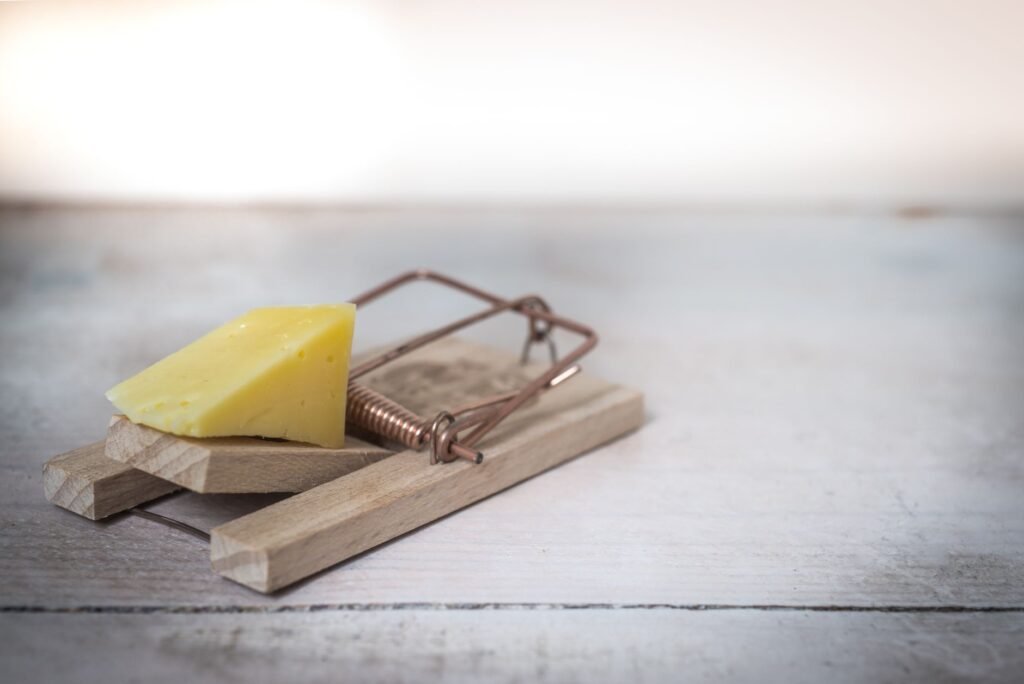
Snap traps go in the attic above the wall and at plumbing openings under sinks, where rodents leave the wall to feed.
- Seal the openings
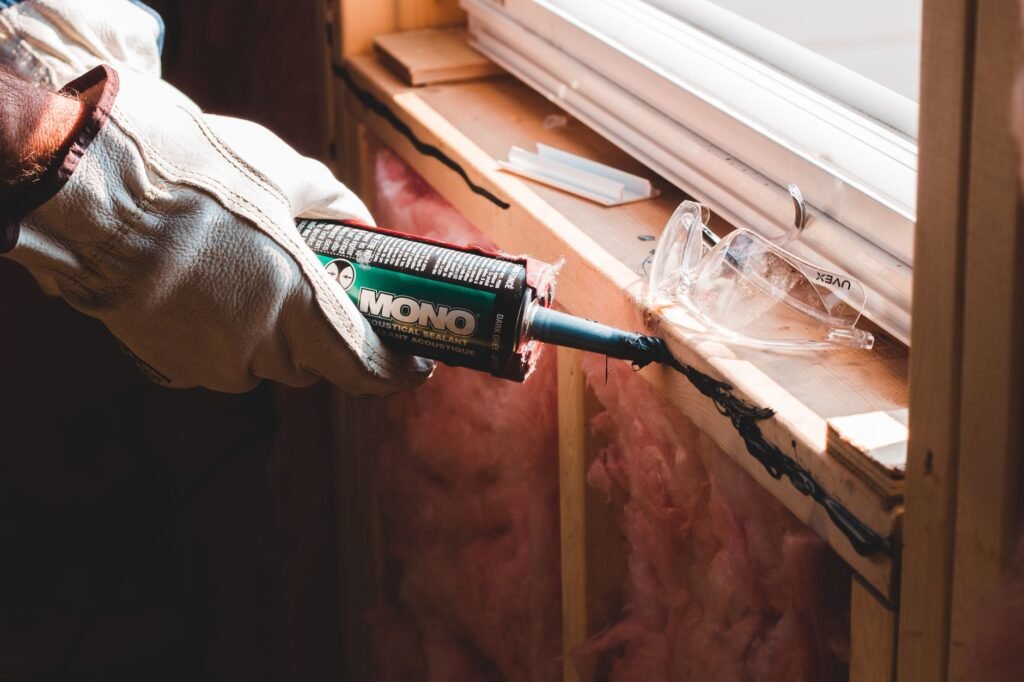
We close pipe holes, top plate gaps and exterior entry points with steel mesh, metal flashing and sealant, timed so no rodent gets sealed inside.
- Open the wall only if needed
If a rodent is stuck or dead inside, we cut one small access hole in the right spot instead of opening a large section.
Small access holes and patching
When we do need to get inside a wall, we keep it small. We pick a spot close to the activity, often low on the wall or inside a cabinet where a patch will not be noticed. The hole is usually just big enough to reach in, remove the rodent or nest, and place a trap if needed.
Once the job is done, we patch the opening so it is closed and ready for paint. Many homeowners touch up the paint themselves. We tell you up front where we plan to cut and why, and nothing is opened without your okay.
Dead rodent odor in walls
A dead rat or mouse in a wall causes a strong, sweet, rotten smell that often gets worse over several days. In Pharr, the problem is worse in summer, when heat from attics well over 100 degrees drives into the walls and speeds up decay.
Loose poison is a common cause of dead rodent odor. Rodents eat it and crawl into wall voids to die where no one can reach them. We never put loose poison inside homes. We trap so we can find and remove every catch.
To find the source, we follow the smell, look for flies gathering at outlets or baseboards, and check for stains on the drywall. When we find it, we remove the carcass through a small access hole, clean and deodorize the area, and patch the wall. For odor anywhere in the house, see our dead rodent removal service.