The smell will not go away fast on its own
People often hope the odor will fade in a day or two. It usually gets worse first. A dead rat can smell for weeks, and a dead mouse for days. The longer it stays, the more it draws flies and the more fluids soak into drywall, insulation or wood. Removing the body is the only real fix. Air fresheners just cover it.
Summer attic heat in Pharr makes it worse
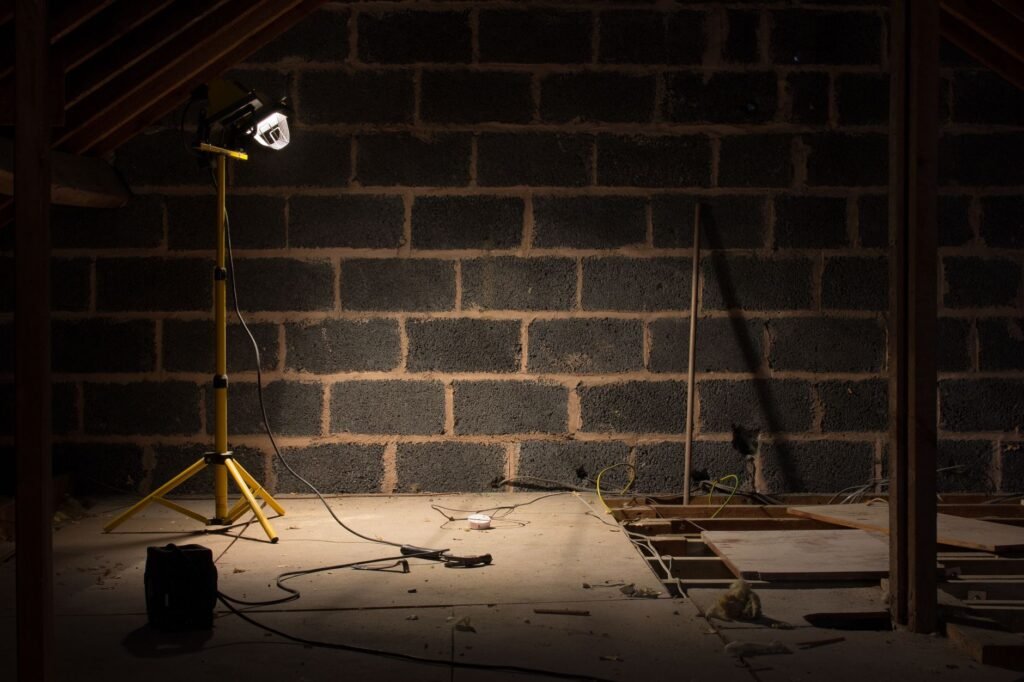
Pharr summers are long and hot, and attics here go well over 100 degrees. Heat speeds up decay, so the odor from a dead roof rat in the attic can be overwhelming in a short time. That heated air also moves down through ceiling light fixtures, vents and the AC system, spreading the smell into bedrooms and living areas. Since winters here rarely freeze, rodents are active all year, so we get these calls in every month, not just in summer.
Where the smell usually comes from
Rodents that are sick or poisoned crawl into tight, hidden spaces. These are the places we check first in Pharr homes and businesses.
| Location | Clues | How we reach it |
|---|---|---|
| Inside a wall | Smell strongest at one section of wall, stain or damp spot on drywall | Narrow the spot, then cut a small access hole that is easy to patch |
| Attic | Smell strongest in hallways or rooms below one area of ceiling, flies near light fixtures | Search the insulation and edges of the attic, where roof rats often die |
| Under appliances | Smell in the kitchen or laundry, stronger near the fridge, stove or dryer | Pull out the appliance and check the kick plate and insulation behind it |
| AC ducts and air handler | Smell gets stronger when the AC turns on, in several rooms at once | Inspect accessible ducts, returns and the air handler area |
| Crawl space or slab edge | Smell near the floor, from outside walls or under an older pier and beam home | Check the crawl space, weep holes and the gaps at the base of the walls |
Flies are a clue
A sudden cluster of flies indoors, especially near one window, one light fixture or one wall, is often the first sign of a dead rodent. Flies find the body before most people can smell it. If you see flies with no clear source, and you have had rodent noise lately, check the ceiling and walls in that room. You can also tell us where the flies gather, because it helps us narrow the search.
How our dead rodent removal works
- Find the source
We use smell, flies, stains and what we know about how rodents move through your building to locate the body. We start at the strongest point and work outward.
- Remove it safely
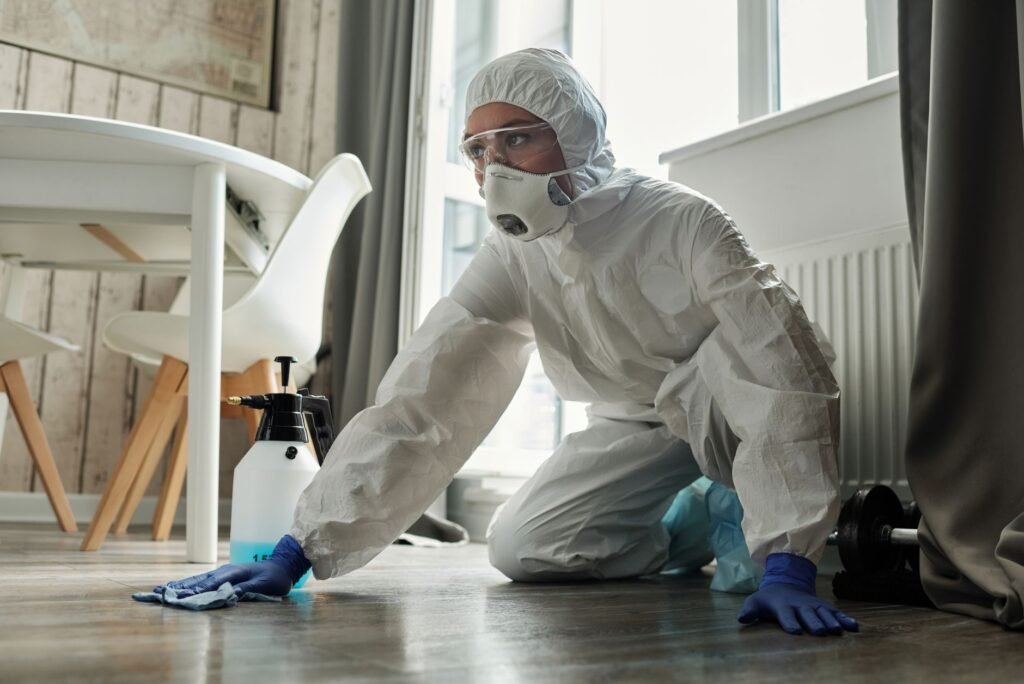
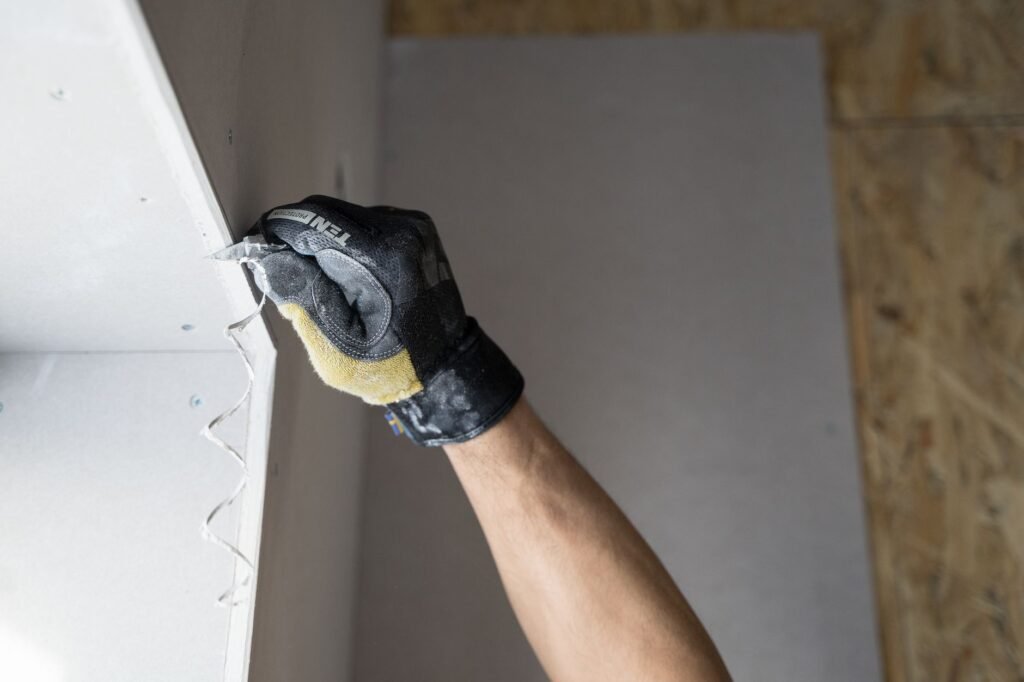
We wear gloves and protection, bag the rodent and any soiled nesting, and take it away. If we need to open drywall, we keep the hole small.
- Sanitize the spot
We spray the area with 1 part bleach to 10 parts water, let it sit 5 minutes, and wipe it with paper towels. Soaked insulation or material is removed.
- Deodorize
We treat the area to break down leftover odor. Most smell fades quickly once the source is gone.
- Check for more
Where there is one dead rodent, there may be others and there is always an entry point. We look for both.
Why DIY poison causes this problem
Most dead rodent calls we get start the same way: someone put poison in the attic or garage. Poison does not kill right away. The rodent eats it, goes back to its nest in the wall or insulation, and dies there, out of reach. That is exactly what we avoid. We trap indoors instead, so we can remove every catch, and we never put loose poison inside.
Stop adding more bait. If you still have live activity, more rodents may die in hidden spots. Call us to switch to trapping and seal the entry points so the problem ends. Our rodent removal page explains that process.
What you can do before we arrive
- Open windows and run fans to move fresh air through the home
- Note which room smells worst and when, and where flies gather
- Do not cut into walls yourself. You may open the wrong spot
- Keep pets away from the area where the smell is strongest