Why rodents go for the garage first
Your garage door opens and closes all day, and it rarely seals as tight as a front door. The rubber strip along the bottom wears out, the concrete settles, and small gaps open at the corners. A mouse needs only 1/4 in, about the width of a dime, and a rat needs 1/2 in.
Once inside, they find food, shelter and quiet. Most garages also share a wall, an attic space or a door with the house, so a garage problem often turns into a kitchen or attic problem a few weeks later.
Signs of rodents in your garage
- Droppings along the walls, on shelves or on top of stored boxes
- Holes chewed in bags of dog food, bird seed or grass seed
- Shredded cardboard, paper or fabric bunched into a nest in a corner or box
- Seeds or nut shells piled under the hood of your car or inside a drawer
- A dashboard warning light, or a check engine light, after the car sat for a few days
- Gnaw marks on the bottom corners of the garage door or on the door into the house
Garage checklist: what attracts rodents and how to fix it
Walk through your garage with this list. Anything marked high risk is worth fixing this week.
| Garage item | Risk | Simple fix |
|---|---|---|
| Garage door bottom seal | High. Cracked or flattened rubber leaves gaps at the corners | Replace the seal. We can add a rodent-resistant seal with metal backing |
| Side and top door gaps | High. Rats squeeze past the weatherstrip along the frame | New weatherstrip, plus metal flashing at the bottom corners |
| Pet food in bags | High. A top food source for both rats and mice | Pour it into a metal or thick plastic bin with a tight lid |
| Bird seed and grass seed | High. Rodents find and chew into seed bags fast | Store in sealed bins, or keep only what you use in a month |
| Cardboard boxes on the floor | Medium. Easy nesting material and hiding spots | Use plastic bins with lids, and keep them on shelves off the floor |
| Cars parked for days | Medium. Engine bays are warm and sheltered | Drive regularly and keep the hood area clear of stored food |
| Trash and recycling bins | Medium. Food smells draw rodents in | Keep lids closed and rinse food containers first |
| Door into the house | Medium. The path from garage to kitchen | Add a door sweep and seal gaps around the frame |
Rodents and your car
Rats and mice like to climb into engine bays, especially when a car sits in the garage for a few days. They chew wiring, hoses and the foam or insulation under the hood. The repair can cost far more than the pest control visit.
If your car shows a new warning light and you have seen droppings in the garage, ask your mechanic to check for chewed wires. Then call us so the rodents do not come back to the same car. We set traps around the parking area and seal the garage so the engine bay is no longer an easy target.
Garage rodent control in Pharr after heavy rain
When tropical storms and heavy spring rains hit Pharr, water fills the ground burrows and drainage ditches where Norway rats live. They look for the nearest dry, sheltered spot, and an attached garage with a gap under the door is often it. Storms like the March 2025 flooding in south Pharr are exactly when this happens.
Because Pharr winters rarely freeze, rodents that move in after a storm keep breeding year round. It pays to check your garage door seal after every big rain.
How we clear rodents from a garage
- Inspect the door, walls and ceiling
We check the garage door seals, corners, the door into the house, wall penetrations, and the attic space above the garage if there is one. Droppings and rub marks show us which rodent you have and where it travels.
- Trap along the walls
We set snap traps along walls, behind shelves and near the car. Traps sit in covered stations or out of reach so kids and pets stay safe. We never use loose poison indoors.
- Seal the gaps
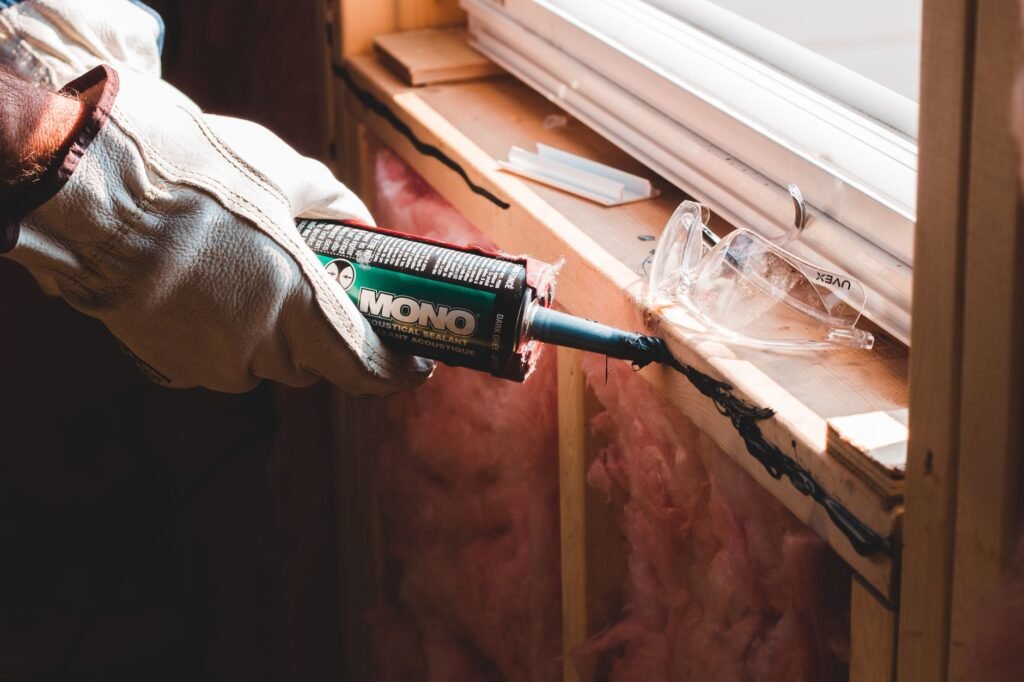
We close entry points with steel mesh, metal flashing and sealant. For the garage door, we can fit a rodent-resistant bottom seal and add metal at the corners where rodents chew.
- Return and clean up
We come back to check traps until activity stops. Then we clean droppings the CDC way: gloves, a spray of 1 part bleach to 10 parts water, a 5 minute wait, and paper towels. No sweeping or vacuuming.
If rats are coming from a fence line, alley or a neighbor's yard, we may place locked, tamper-resistant bait stations outside the garage. We only do this when it makes sense for your property, and never inside.
How long it takes
You get a written estimate before work starts. The first visit usually takes 2 to 4 hours.