Rodent feces removal in Pharr, done without stirring up dust
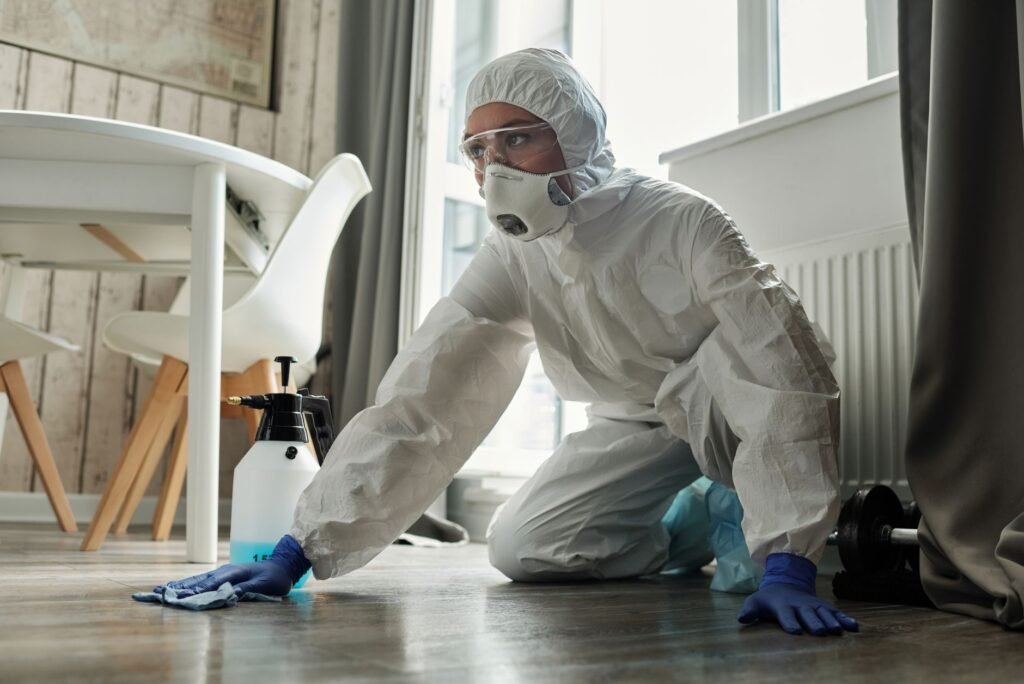
The biggest risk with rodent droppings is not touching them. It is breathing the dust when dried droppings and urine get broken up by a broom, a vacuum or a leaf blower. That is why we never dry sweep. Every spot we clean is wetted down with a bleach solution first, left to soak, then wiped up and bagged.
We clean small areas like a kitchen cabinet, and large ones like a whole attic floor or a garage full of stored boxes. You get a written estimate before we start.
Is it a rat or a mouse? Read the droppings
Droppings tell us which rodent you have, and that changes how we trap and where we seal. Here is a quick guide to what you are looking at.
| Rodent | Dropping size | Shape | Where we usually find them |
|---|---|---|---|
| Roof rat | About 1/2 in | Long, with pointed ends | Attics, top of cabinets, along rafters and the tops of walls |
| Norway rat | About 3/4 in | Thick, with blunt ends | Garages, ground floor, under sinks, near the slab edge |
| House mouse | 1/8 to 1/4 in | Small, like a grain of rice | Pantry shelves, drawers, behind the stove, inside cabinets |
Where droppings collect in a Pharr home
Rodents leave droppings along the routes they travel and where they feed and nest. These are the spots we check on nearly every job.
- Under the kitchen and bathroom sinks. Pipe holes through the wall give mice and rats a hidden path in, and the cabinet floor becomes a latrine.
- Pantry shelves and food drawers. Look behind cereal boxes, rice and pet food bags, and in the back corners.
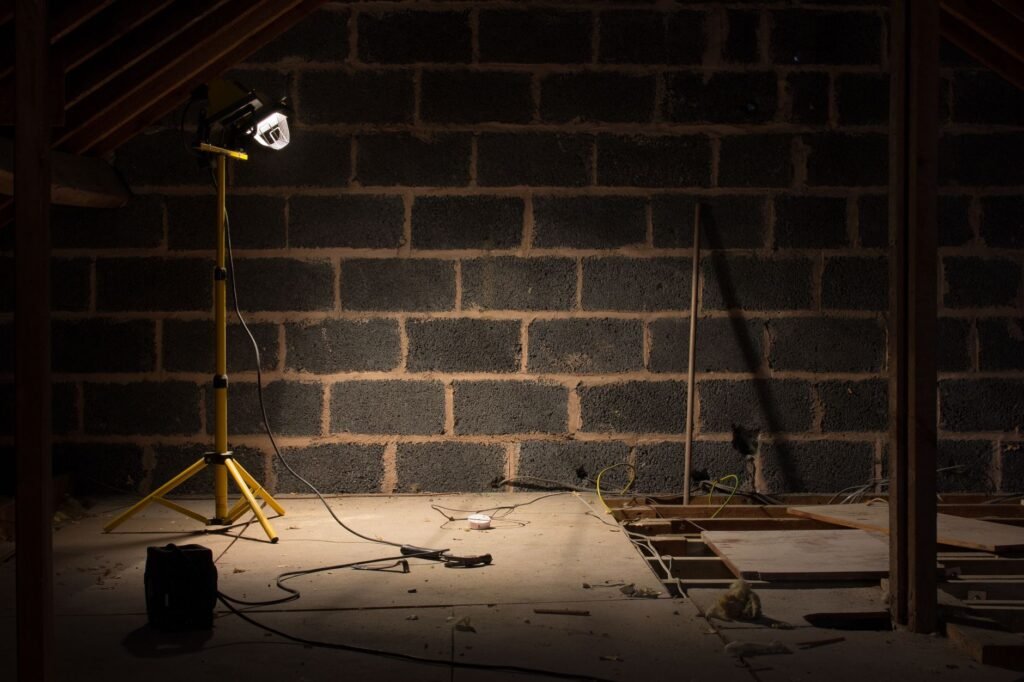
- The attic. Roof rats drop feces across the insulation along their runways, often in heavy piles near the entry point and nest.
- The garage. Stored boxes, bird seed, dog food and the gap under a worn door seal make garages a common spot for Norway rats and mice.
- Behind and under appliances. The warm space behind the fridge and stove is a favorite nesting spot.
Health risks, stated plainly
Rodent droppings, urine and nesting material can carry germs that make people sick. The main concerns are:
- Salmonella. Can spread when rodents walk and leave droppings on food, counters and dishes.
- Leptospirosis. A bacteria spread mostly through rodent urine, especially in wet areas or after flooding.
- Hantavirus. Spread mainly by deer mice and some other wild rodents, not the roof rats and house mice most Pharr homes have. It is rare, but it can be serious, and the CDC cleaning method is designed to protect against it.
We are not doctors, and we cannot tell you if you have been exposed. If anyone in your home feels sick after contact with droppings, call your doctor and mention the rodent activity.
The CDC wet cleaning method, step by step
This is the method the Centers for Disease Control and Prevention recommends, and it is the one our crew follows on every cleanup.
- Air out the space first
We open doors and windows where we can and let the area air out for at least 30 minutes before cleaning starts.
- Put on gloves
Our crew wears rubber, latex or vinyl gloves the whole time, plus protective gear for large attic jobs.
- Spray with bleach solution
We soak droppings, urine spots and nesting material with 1 part bleach to 10 parts water until they are fully wet.
- Wait 5 minutes
The solution needs time to work. Wiping too soon can still release dust.
- Wipe up with paper towels
We pick up the soaked droppings with paper towels, place them in a sealed plastic bag, and bag it again before it leaves your home.
- Disinfect the surface
Floors, shelves and counters get a second spray and wipe so nothing is left behind.
A broom or regular vacuum breaks droppings into dust and pushes it into the air you breathe. If you find droppings before we arrive, leave them in place, keep kids and pets away, and call us.
What we do with soiled insulation and surfaces
Some materials can be cleaned in place. Others hold urine and feces so deeply that they need to come out.
- Hard surfaces like cabinet floors, shelves, tile and concrete are sprayed, soaked, wiped and disinfected.
- Attic insulation that is heavily soiled, packed down or full of nesting is bagged and removed from that area. We tell you how much came out so your insulation contractor can replace it.
- Stored items in the garage or attic are sorted with you. Cardboard and fabric soaked with urine usually go. Plastic bins and tools can be wiped down.
Pharr summers push attic temperatures well over 100 degrees. That heat bakes urine and droppings into insulation and makes the smell stronger, which is one reason attic cleanups here often involve removing insulation instead of spot cleaning.
Cleanup is the last step, not the first
If rodents are still getting in, new droppings show up within days. Before we clean, we make sure the activity has been dealt with through rodent removal and that the gaps are closed with rodent proofing. For bigger jobs that include odor and nesting across the whole home, see our rodent cleanup service.