What our rodent removal service includes
Rodent removal is more than setting a few traps. A single roof rat you hear at night usually means a nest nearby, and a mouse you see in the kitchen often has a family behind the cabinets. Our job is to find all of them, remove them, and make sure new ones cannot follow.
Every visit ends with a clear summary: what we found, what we did, and what happens next. If you rent, we can send the same notes to your landlord or property manager.
Signs you need rodent removal now
Rats and mice breed fast in the Rio Grande Valley heat. A female house mouse can have a new litter every few weeks, so a small problem in spring can be a big one by summer. Call for removal if you notice:
- Scratching, running or gnawing sounds in the ceiling or walls after dark
- Fresh droppings in more than one spot, like under the sink and in the pantry
- Chewed food packaging, wiring, AC lines or door edges
- Dark, greasy rub marks along walls, pipes or rafters
- Grapefruit or oranges hollowed out on your backyard tree
- Pets staring, barking or pawing at one wall or cabinet
How we remove rats and mice
- Inspect and identify
We check the roofline, soffits, vents, attic, garage, kitchen and slab edge. Droppings, rub marks and gnawing tell us if you have roof rats, Norway rats or house mice, and where they travel.
- Place traps where they travel
Rodents run along walls, rafters and pipes, not across open floors. We set professional snap traps on those routes, out of reach of kids and pets.
- Seal the entry points
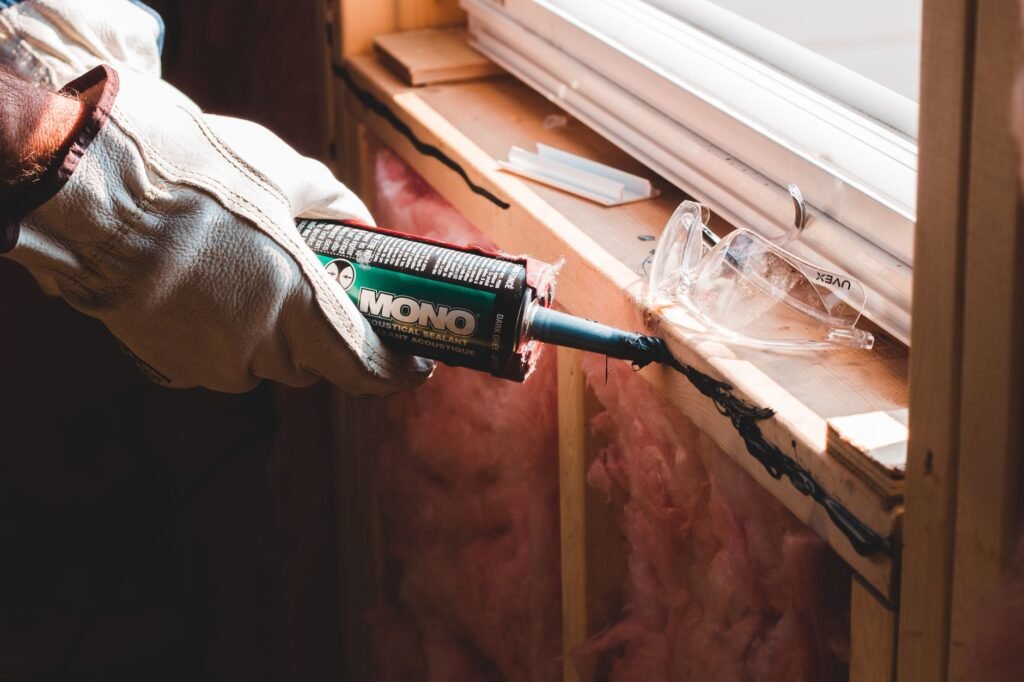
A rat fits through a 1/2 in gap and a mouse through 1/4 in. We close those gaps with steel mesh, metal flashing and sealant that rodents cannot chew through.
- Return, check and remove
We come back to remove catches and reset traps. Roof rats are cautious around new objects, so this step matters most in Pharr.
- Clean up and confirm
Once activity stops, we remove droppings and nesting material the safe way and walk you through what we did.
Removal methods compared
Not every method works for every rodent. Here is what we use, and what we avoid, and why.
| Method | How it works | When we use it |
|---|---|---|
| Snap traps | Quick, humane kill on a set travel route | Our main tool indoors, in attics, walls and garages |
| Locked bait stations | Tamper-resistant boxes with bait inside | Outdoors only, along fence lines or dumpsters, when it makes sense |
| Exclusion | Sealing every gap rodents use to get in | On every job. Removal without it does not last |
| Glue boards | Sticky pad that holds the animal | We avoid them. They are cruel and often miss rats |
| Loose poison | Bait tossed into attics or walls | Never inside. Rodents die in walls and cause odor for weeks |
If the gap they came through stays open, new rodents move in within weeks. That is why every removal job includes sealing the entry points we find. See our rodent proofing service for the details.
Rodent removal in Pharr: what is different here
Most calls we get in Pharr are for roof rats. They live in untrimmed palm fronds and citrus trees, then walk along branches and power lines onto the roof. From there, a gap at the soffit or roof vent is all they need to get into the attic.
The Valley also has no real winter. Rodents keep breeding all year, and summer attic heat above 100 degrees makes a dead rat inside a wall a serious smell problem. That is one more reason we trap instead of poisoning.
Businesses near the Pharr-Reynosa International Bridge, the warehouses off Cage Boulevard and restaurants along Expressway 83 see steady pressure from Norway rats and mice. For those sites we set up a commercial monitoring plan with written service records.
How to get ready for your visit
- Do not sweep or vacuum droppings before we arrive. Leave them so we can read the signs, and so you do not breathe the dust
- Clear a path to the attic hatch, under sinks and along the garage walls
- Keep pet food and bird seed sealed or brought inside at night
- Write down where and when you hear or see activity. It helps us place traps faster